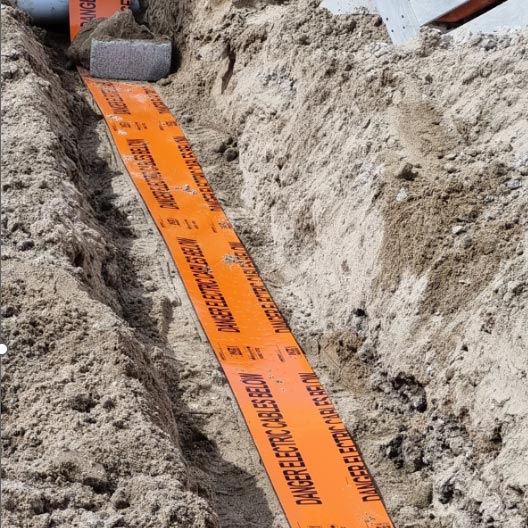
Did you know plastic caps and lids recycled by consumers at supermarkets across New Zealand are being turned into industrial cable cover, used for underground cables?
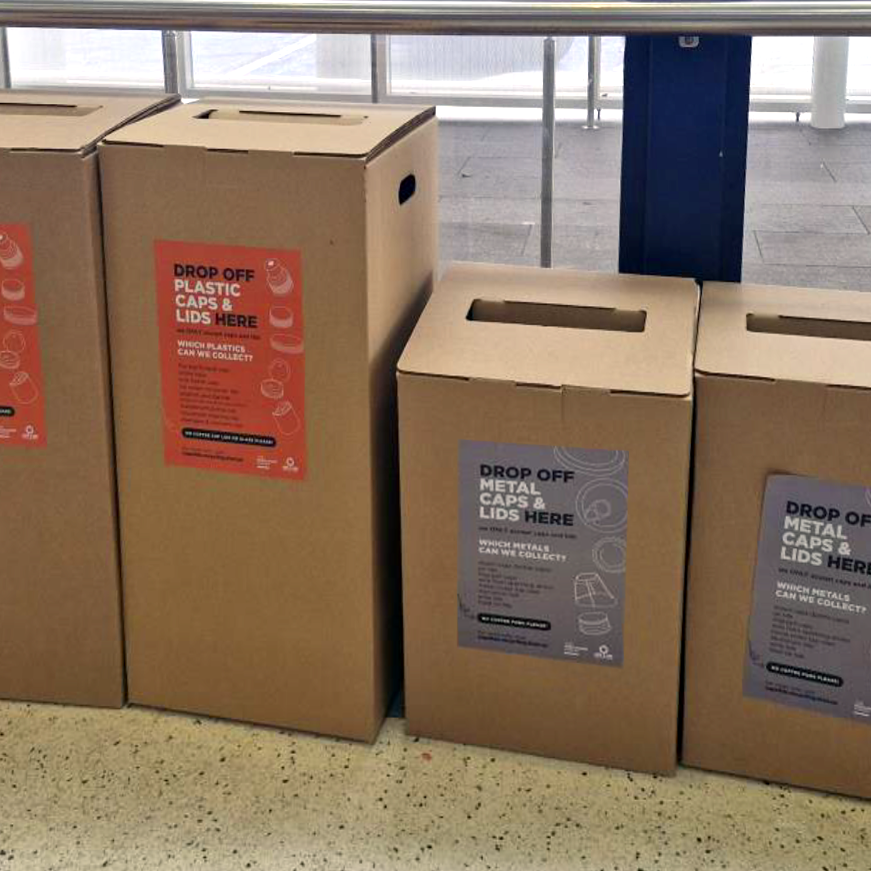
Since the launch of the Caps and Lids Recycling Scheme in September 2024, plastic lids are being collected at an increasing volume. From the beginning of 2026 the Scheme, operated by The Packaging Forum, has collected at least 14 tonnes of plastic caps and lids through the 65 collection points around Aotearoa New Zealand. That’s the same weight as a bus saved from landfill!
All accepted plastic caps and lids are then recycled into new products right here in New Zealand. Our partnership with Pact Group is one example of this, turning high-quality plastic caps and lids collected through the Scheme, into industrial cable cover at Pact Recycling in Auckland. The industrial cable covers are then resold on the local market and used to protect underground cables around the country. This is a fantastic example of New Zealand’s onshore, circular economy in action – using a waste product that would otherwise end up in landfill and turning it into something of value.
Our Caps and Lids Recycling Scheme Manager, Nicole McCann, visited Pact Recycling in Auckland recently to see first-hand the process that transforms a usable waste stream into an important industrial product.
Find out more about this Scheme operated by The Packaging Forum and where to drop off your collected Caps and Lids for recycling here capsandlidsrecycling.co.nz, or contact Scheme Manager Nicole McCann calmanager@packagingforum.org.nz
The recycling process
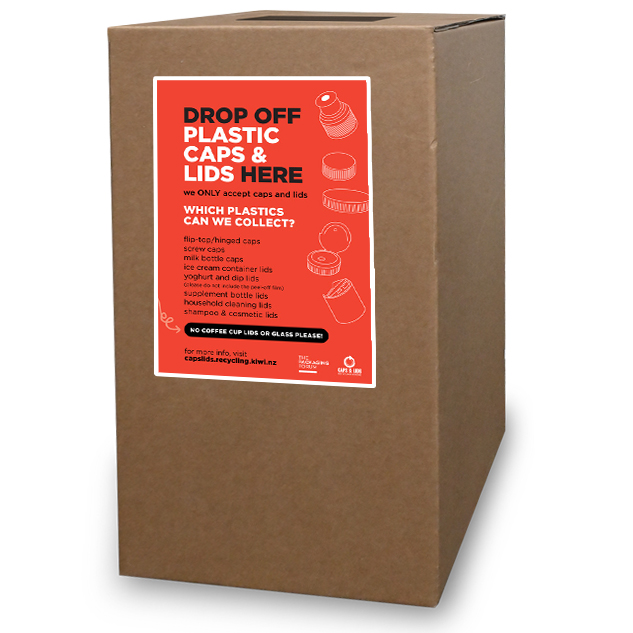
1. Consumer drops off clean plastic lids to participating drop off locations
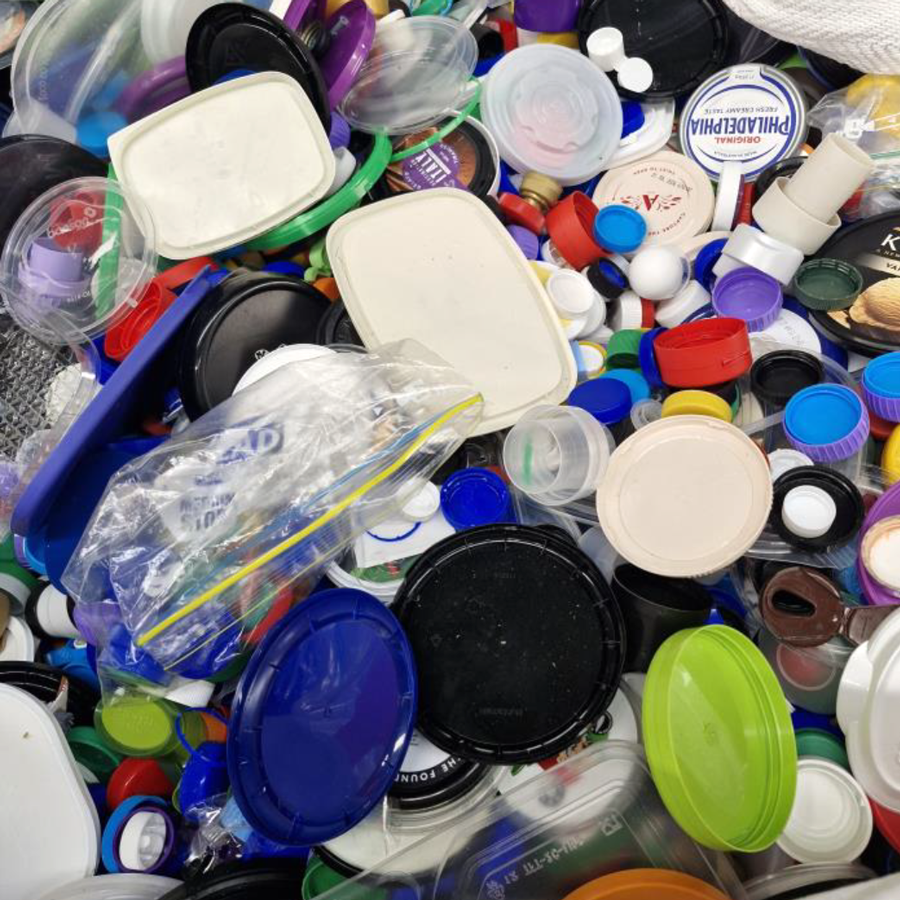
2. Caps and lids arrive at Pact Recycling from our collection partners, ready for recycling
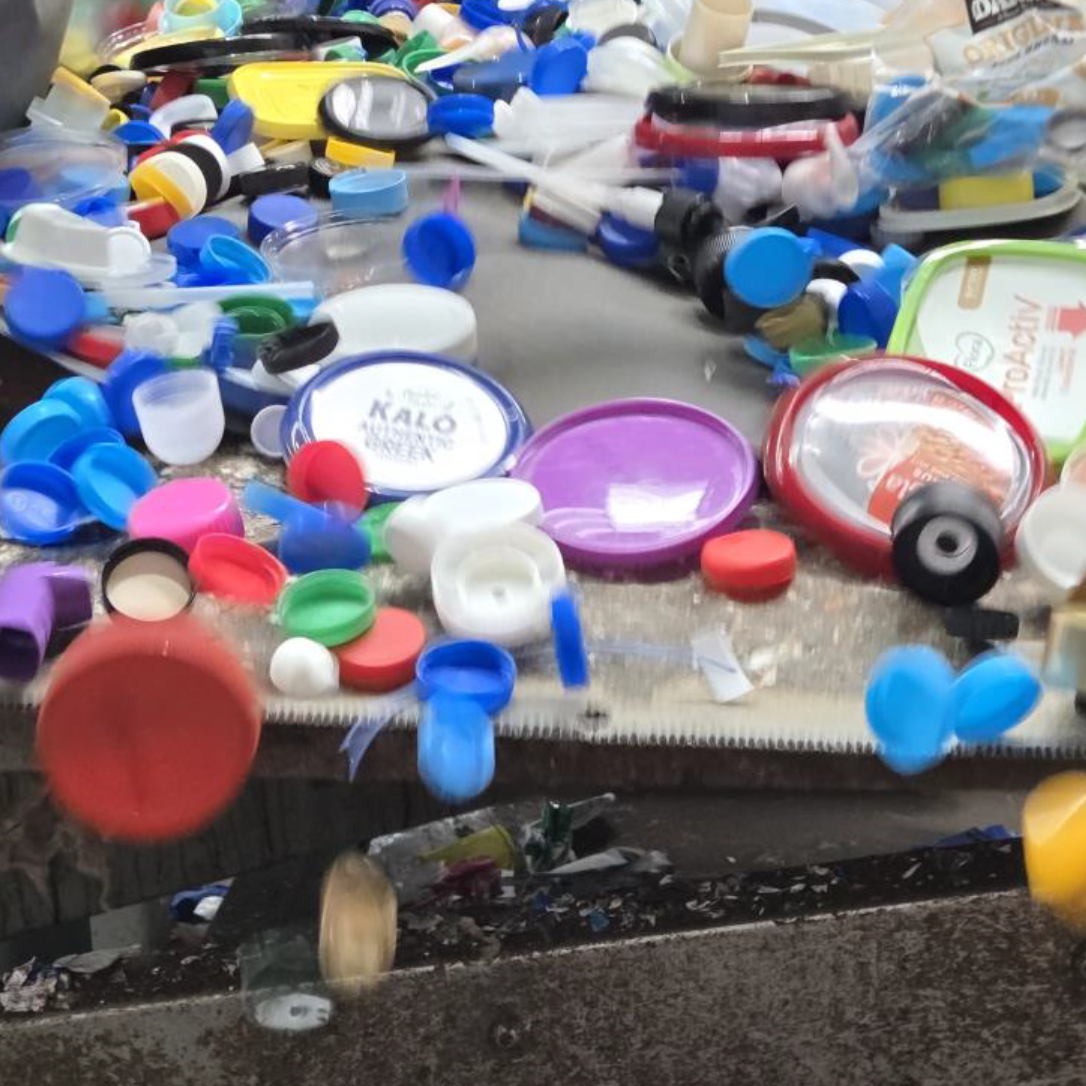
3. Caps and lids are sent up the conveyor belt to remove any contamination
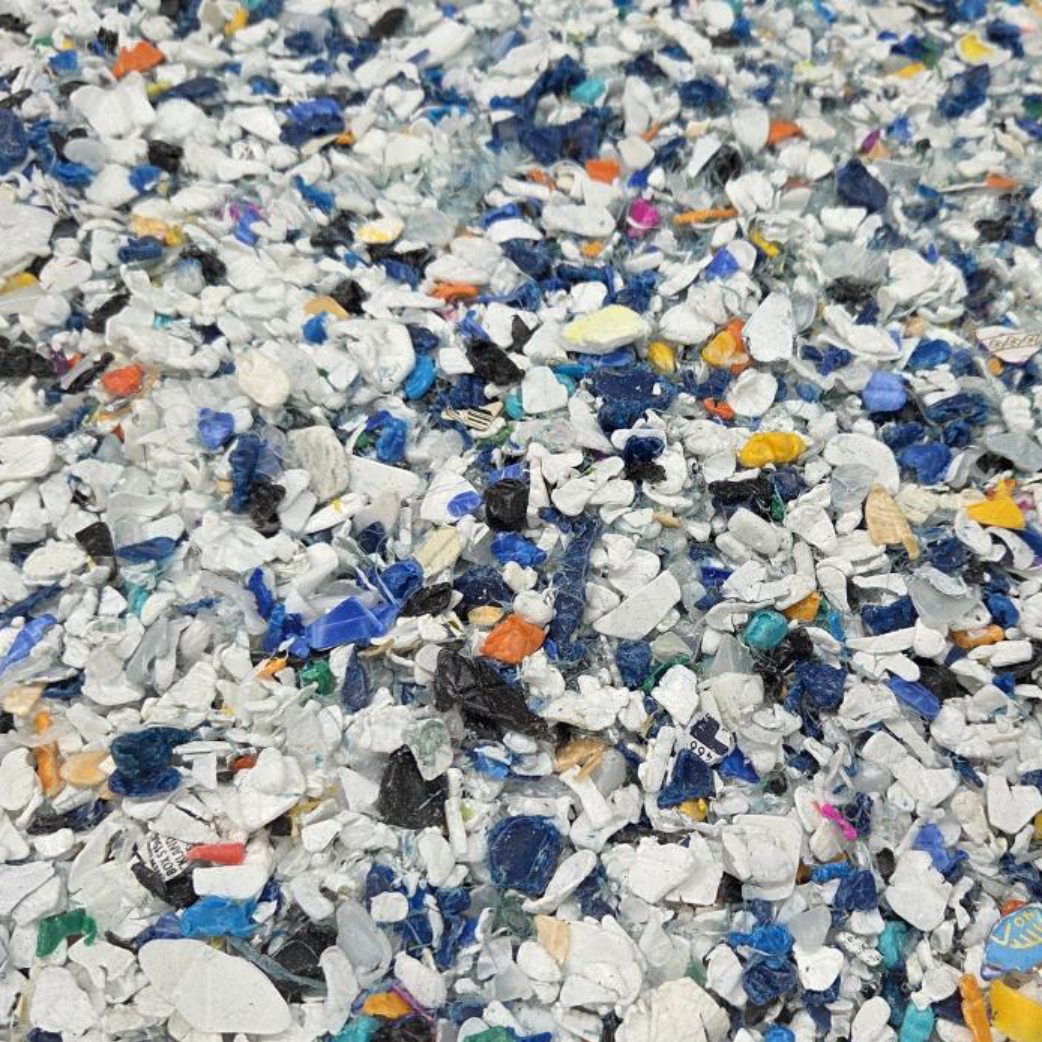
4. The materials are sent to be shredded and washed
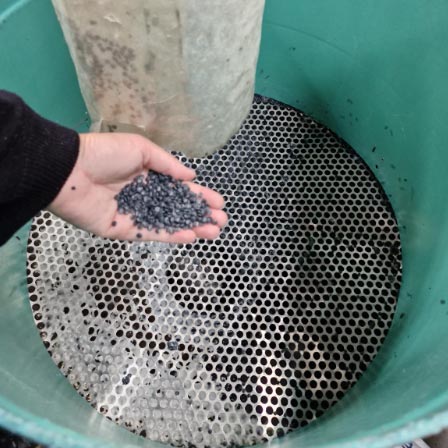
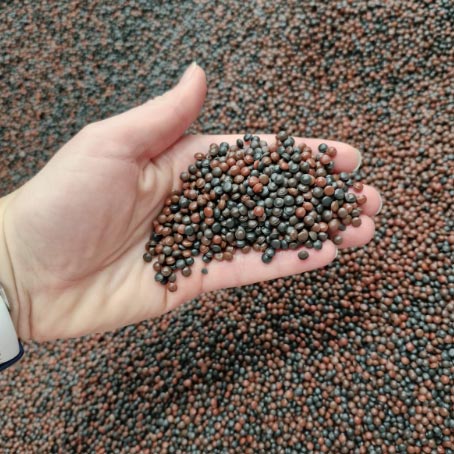
5. After washing the caps and lids, they go through an intensive recycling process where the material is melted and filtered under vacuum to remove contaminants. The material is then cooled and formed into plastic pellets which are coloured with black to standardise the colouring.
6. Pellets are bagged and taken to the production line. During the production process they are mixed with other recycled pellets to make the suitable colour and durability mix for cable cover.
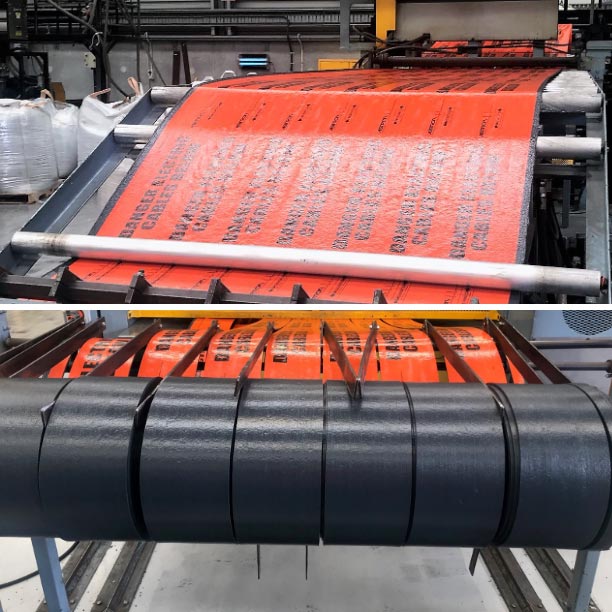
7. Pellets heated and moulded into cable cover, with orange laminate bonded onto the cable surface.